How a tiny molecule can prevent excess fat in blood
By disrupting transport of fat inside liver cells, IIT Bombay researchers have opened a new path to tackling high cholesterol and other fat-related disorders.
By disrupting transport of fat inside liver cells, IIT Bombay researchers have opened a new path to tackling high cholesterol and other fat-related disorders.
A living nano-assembly to tackle pollution from stubborn textile dyes in wastewater
By pairing marine bacteria with graphene oxide sheets, IIT Bombay researchers show how dyes in wastewater can be trapped and fully broken down.
Heatwaves in the Indo-Gangetic Plains: Why Local Land and Atmospheric Conditions Matter More Than We Thought
IIT Bombay research shows that heatwaves over the Indo-Gangetic Plains are primarily driven by local land and atmospheric factors, rather than by hot air travelling from elsewhere.
A new way to make old antibiotics work again
A DNA-based strategy from researchers of Indian Institute of Technology Bombay makes drug-resistant bacteria responsive to antibiotics again.
Why do some antibiotics cause liver damage more than others?
IIT Bombay study shows how the location of antibiotics within the outer layers of liver cells could predict drug-induced toxicity early.
Making sense of the human brain: How BrainProt and DrugProtAI aim to help researchers decode brain diseases
A smart new platform developed by IIT Bombay unifies scattered brain-disease data to help researchers find markers, explore treatments, and pinpoint druggable targets.
A Novel Spatially Aware AI Model Makes Hurricane Damage Assessment More Accurate
IIT Bombay’s new deep learning framework, named SpADANet, enhances damage classification accuracy using limited labels across multiple hurricanes.
TB bacteria's Tough Armor: A Cellular Shield Against Treatment
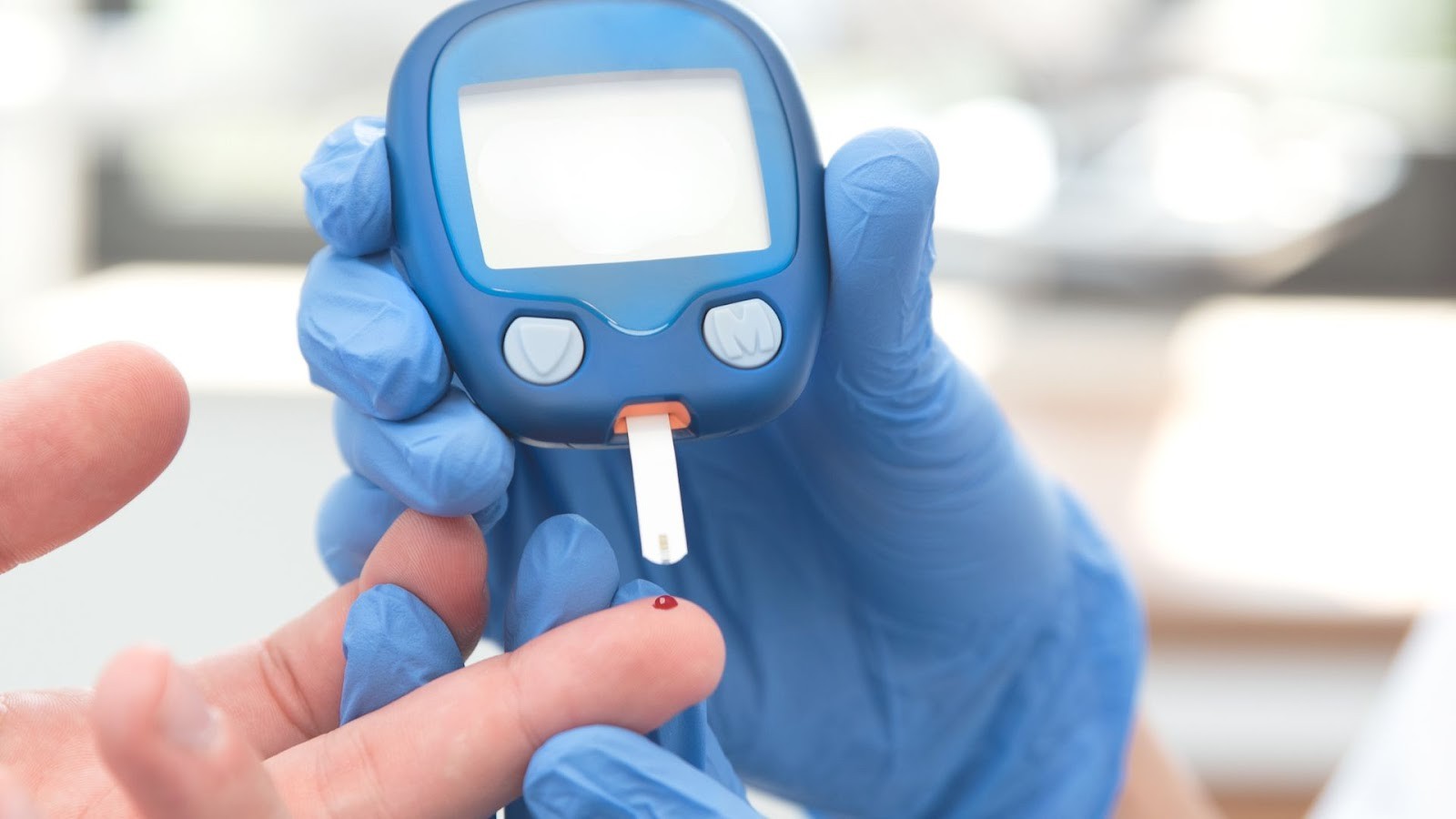
Hidden blood markers may explain diabetes risks in India
Researchers find early warning signs of diabetic kidney disease and pave the way for personalised treatment.
Satellites to Measure Atmospheric Methane and Carbon dioxide Levels
An IIT Bombay study using satellite data shows rising greenhouse gas levels over Delhi and Mumbai and also identifies emission hotspots in these cities.